Understanding
Neuroblastoma
Neuroblastoma is a complex childhood cancer with medical, emotional, and practical impacts on families.
This page is designed to give you a clear, high-level understanding of the disease: what it is, how it’s generally treated, and some of the challenges families may encounter along the way. It also includes trusted resources you may find helpful.
This page is for educational purposes only and is not medical advice. Your child’s care team remains your primary source for medical guidance.

What is Neuroblastoma?
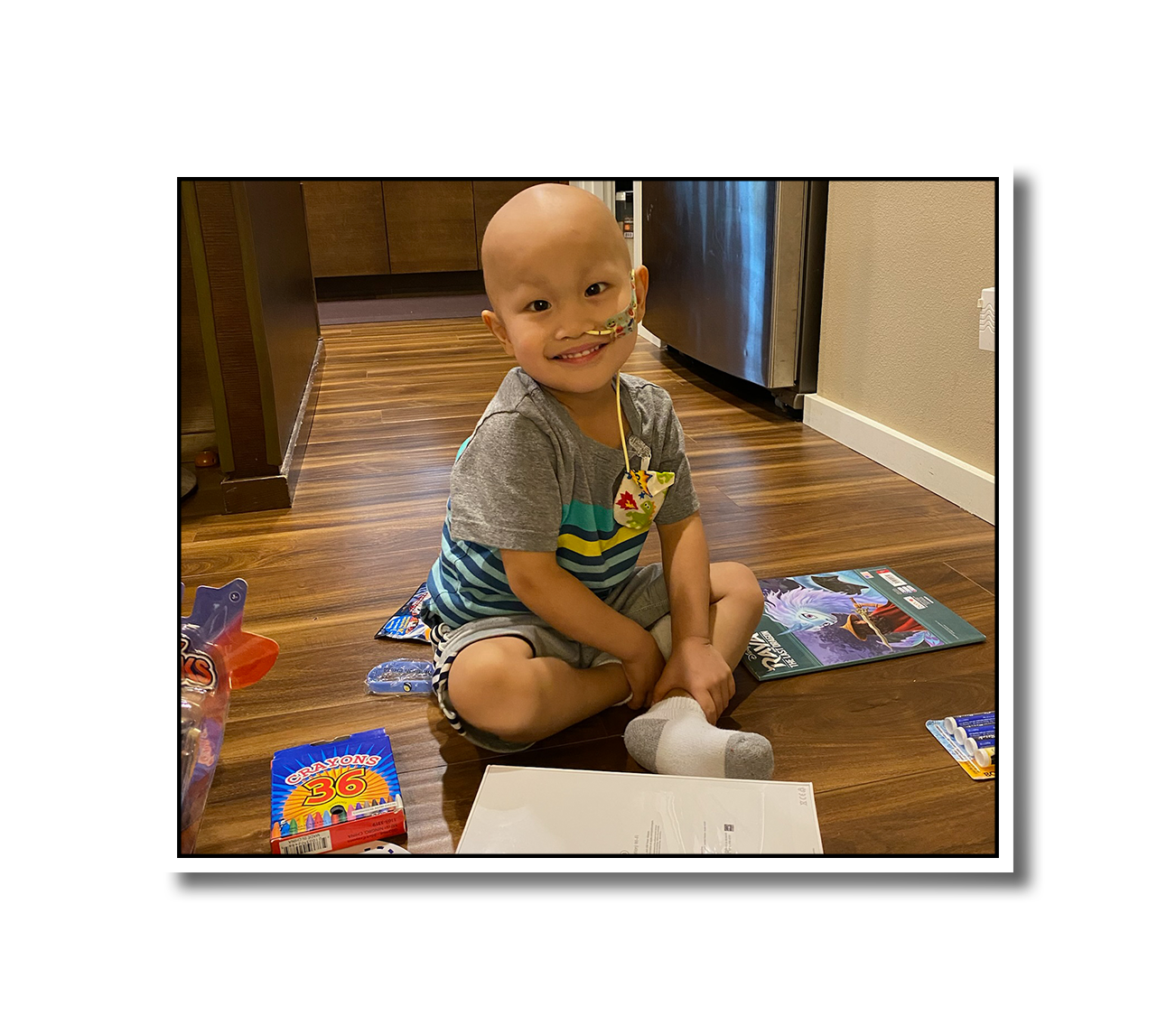
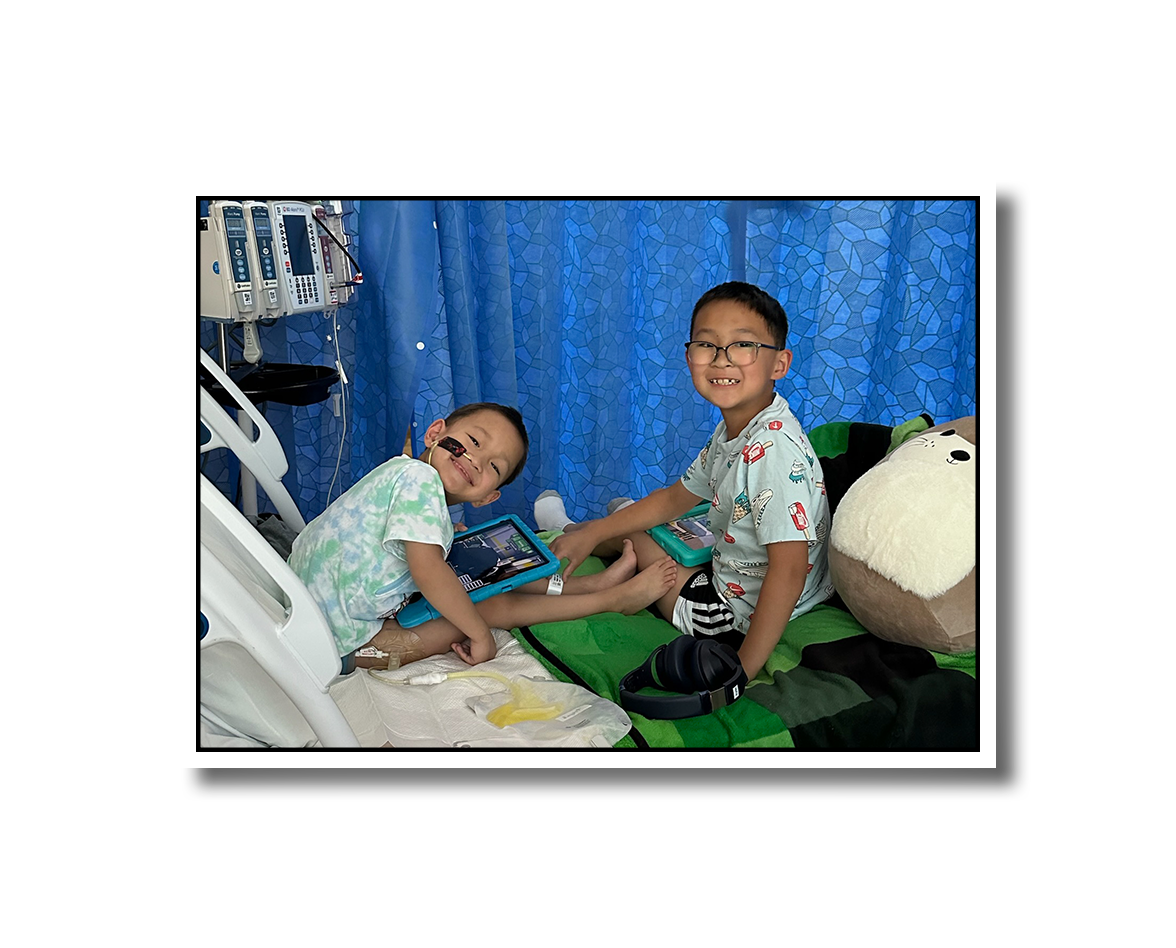
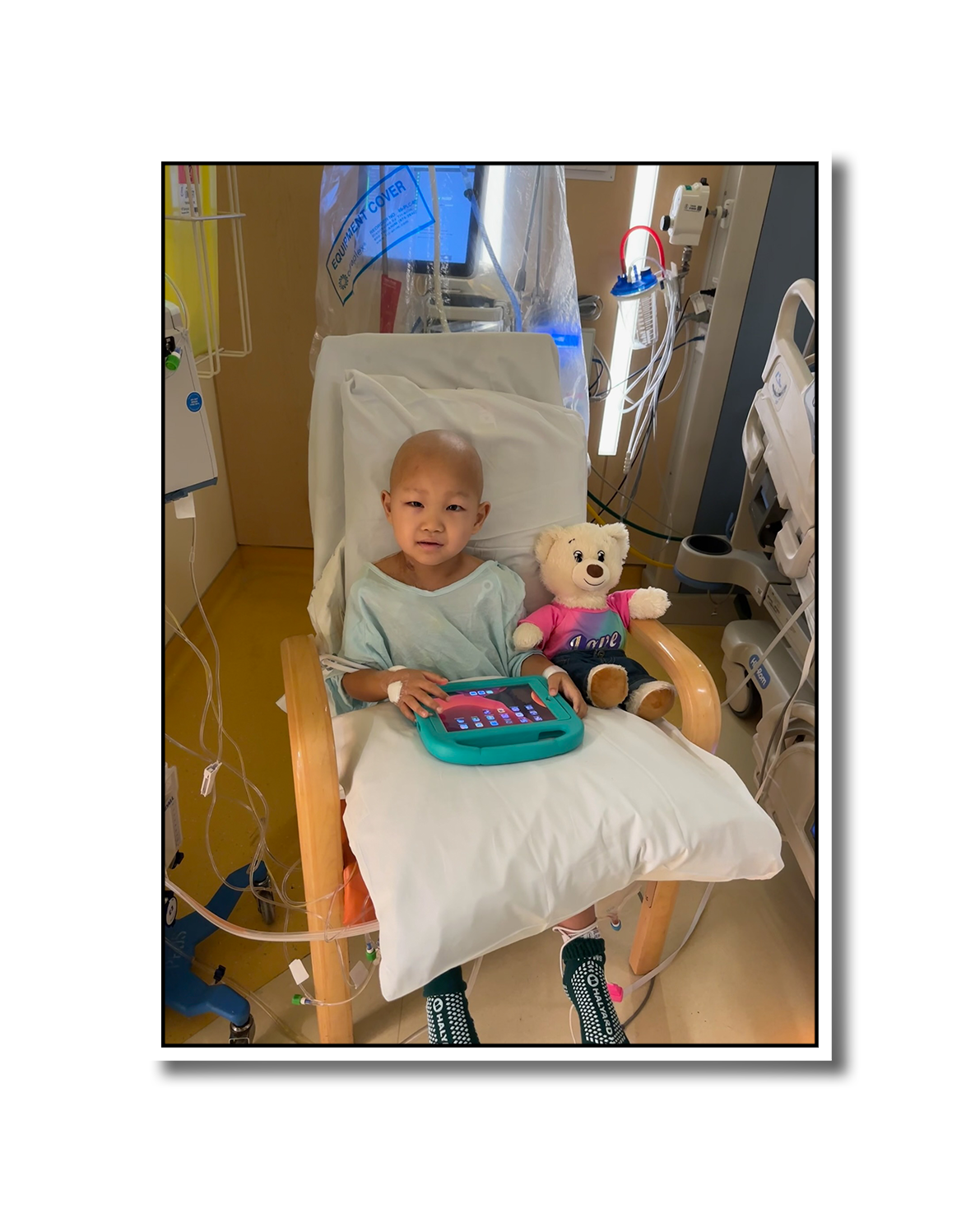
Neuroblastoma is a cancer that develops from immature nerve cells, most commonly forming in the adrenal glands (located above the kidneys) or in nerve tissue along the spine. It is considered a rare disease, but it is also one of the most aggressive childhood cancers, particularly in infants and toddlers.
Because early symptoms can be vague— such as abdominal pain, fatigue, or irritability— the disease is often advanced by the time it is diagnosed.

Who is affected by Neuroblastoma?
Neuroblastoma most often affects very young children.
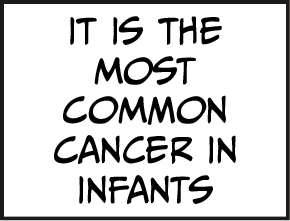
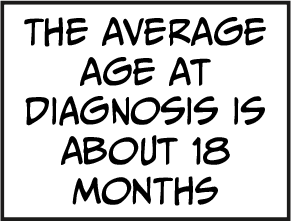
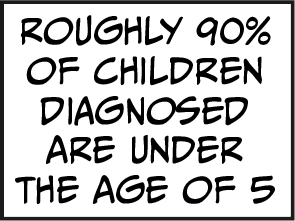
For many families, diagnosis comes suddenly— during a stage of life already filled with rapid growth and change.

Although neuroblastoma is rare, its impact is significant:
It accounts for approximately 8–10% of all childhood cancers
It is responsible for around 15% of childhood cancer deaths worldwide
In the United States, about 650–700 children are diagnosed each year
Approximately 70% of children are diagnosed with advanced or metastatic disease
The high rate of advanced-stage diagnosis contributes to the complexity of treatment and the need for specialized care.
Sources: Medical Science Monitor Article, Yale Medicine
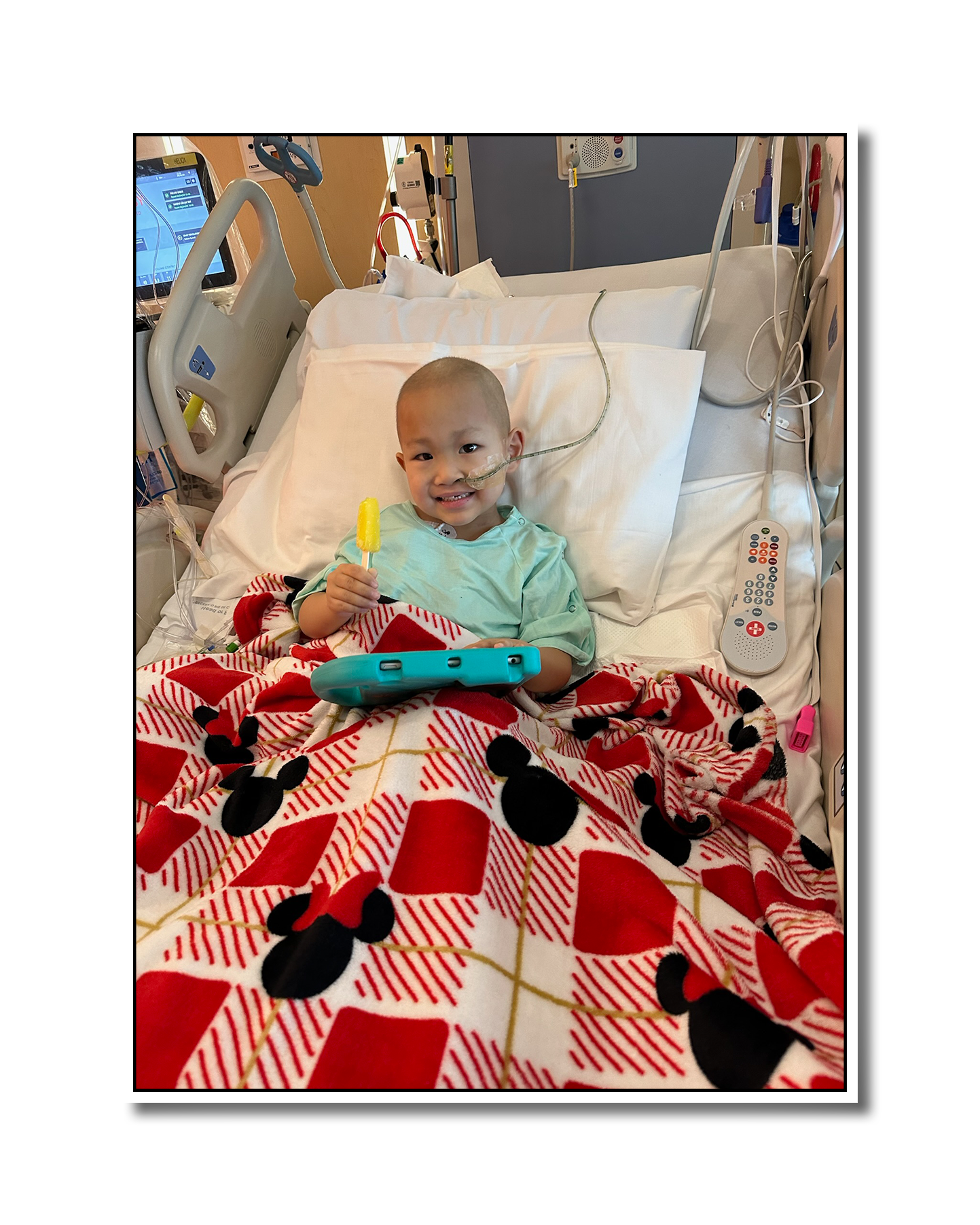
Neuroblastoma, by the Numbers

Risk Groups & Outcomes
Neuroblastoma is classified into risk groups based on factors like the child's age, tumor location, and genetic markers. Overall survival rates have improved significantly over the last several decades—today, approximately 85% of children under 15 diagnosed in the U.S. are alive five years later. But that number varies widely by risk group.
Low / Intermediate Risk
Survival rates are very high—often above 90–95%—and treatment may involve surgery with limited chemotherapy.
High Risk
High-risk disease is much more challenging. Even with intensive treatment—including chemotherapy, stem cell transplant, radiation, and immunotherapy—long-term survival is often around 40–60%, depending on many factors.
Sources: NCI SEER; American Cancer Society

Many children with neuroblastoma— especially those with high-risk or relapsed disease— need care at specialized pediatric cancer centers. These centers often lead advanced treatment protocols and clinical trials that are not available everywhere.
As a result, families may need to travel long distances to access:
Subspecialty oncology teams
Experimental or emerging therapies
Clinical trials for relapsed or refractory disease
Traveling for care can mean weeks or months away from home during a time when stability and togetherness matter deeply.
When Treatment Requires Travel

Access Isn’t Equal for Every Family
Research shows that not all children experience neuroblastoma or its outcomes the same way. Studies indicate that:
Black and Native American children are more likely to be diagnosed with high-risk neuroblastoma
Black and Hispanic children with high-risk disease experience lower survival rates, even when treated under standardized protocols
Beyond biology, practical barriers —such as travel costs, lodging, time off work, and caregiving responsibilities— can limit a family’s ability to access specialized care or clinical trials, deepening inequities tied to socioeconomic factors.
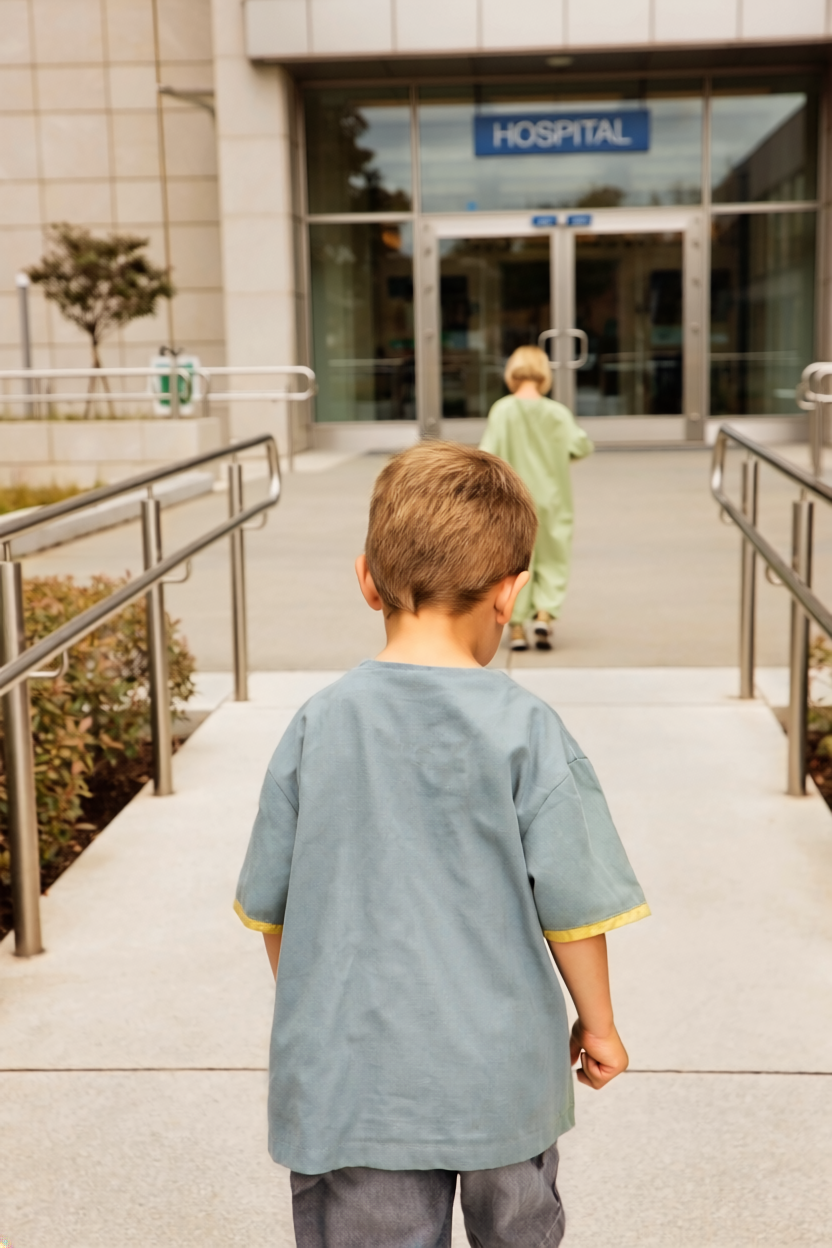
“Access to care should not depend on geography, income, or circumstance.”
Resources for Families
-
Children’s Flight of Hope — Provides flights for children needing specialized medical care https://childrensflightofhope.org
Ronald McDonald House (RMH) — Lodging near pediatric hospitals nationwide https://rmhc.org
Corporate Angel Network — Private flight assistance when available https://corpangelnetwork.org
MSK Social Work Fund — Hospital-based lodging assistance (location-specific) https://www.mskcc.org/experience/patient-support/counseling/social-work-support
Noah Lee Legacy Foundation — Complete our request form for travel assistance
-
C-Squad — DoorDash and Uber gift cards for families during treatment https://c-squad.org
Parker Project — Travel assistance for visiting family members https://parkerproject.org
Noah Lee Legacy Foundation — Request a Care Package or meal support through our request form
-
Candlelighters (NYC) — Family-centered support, toys, activities, and volunteers https://candlelightersnyc.org/
Make-A-Wish Foundation (AK/WA) — Wish fulfillment for children facing critical illness https://wish.org
Facebook Groups
Neuroblastoma Support group . You are Not Alone Ask Away.
Band of Parents Neuroblastoma Family Support At Sloan Kettering
WA Parents of Childhood Cancer Warriors
Neuroblastoma Family Support Group
-
Rachel’s Hugs / Rachel Lynn Henley Foundation — Family support and legacy gifts https://www.rachellynnhenleyfoundation.org/rachels-hugs
Raise for Rowyn — Financial assistance for service and burial costs https://www.raiseforrowyn.org/
B+ Foundation — Financial support for families and research https://www.bepositive.org
-
Children's Neuroblastoma Cancer Foundation— Provide education from diagnosis to treatment on their website, holds a yearly conference with pioneers in the field and will provide assistance for families to attend. https://www.cncfhope.org/
Shir for Life - Changing the Fate of Children with Neuroblastoma— Provide virtual educational talks about various topics with neuroblastoma treatment from researchers and oncologists in the field. https://www.shirforlife.com/
End Kids Cancer- Funding Breakthrough Research to Find a Cure This 501c3 nonprofit is dedicated to finding a cure for neuroblastoma through the funding of clinical research and trials. Their primary focus is on developing non-toxic treatments—specifically immunotherapy and vaccines—that harness a child’s own immune system to fight cancer without the devastating long-term side effects of traditional chemotherapy and radiation. https://endkidscancer.org/

Support while seeking care
When treatment requires travel, the logistical and financial burden can feel overwhelming. While we can't change a diagnosis, we can help ease some of the strain. Reach out for more information.